
About
Welcome to the Society for Cross-Cultural Research, a global consortium dedicated to the exploration and understanding of human behavior across cultures. At SCCR, we celebrate the diversity of human life, striving to uncover the patterns that unite and distinguish us across the globe.
Tracing Our Journey
Our History
Founded in 1972, SCCR has grown from a small group of interdisciplinary researchers to a thriving society with members around the world. Our history is marked by pioneering studies, international conferences, and a commitment to advancing cross-cultural understanding. Through decades of dedication, we’ve contributed significantly to the global conversation on culture and psychology.


Our Mission
Our mission is to support and encourage the interdisciplinary, comparative research that forms the bedrock of our understanding of human behavior in its myriad cultural contexts. We aim to foster scientific generalizations about human behavior that transcend individual cultural experiences, enriching our collective understanding of humanity.
Ethics and Values
Integrity, respect, inclusivity, and professionalism are the cornerstones of our society. These values guide our research, our interactions within the society, and our outreach to the global community. We believe that ethical research and open-mindedness can bridge cultures, fostering a more understanding and cohesive world.
Our Promise
SCCR Statement of Ethics and Values
The Society for Cross-Cultural Research (SCCR) is an interdisciplinary society of scholars who are interested in advancing knowledge and scholarship surrounding cross-cultural issues. SCCR expects that all society leaders, members, and event/conference attendees will engage with one another in professional and constructive ways. SCCR encourages professionalism and respect in all interactions, even in moments of disagreement. SCCR also expects all leaders, members, and attendees to behave in respectful and open-minded ways.
As a society with members, leaders, and attendees from various cultures and nations, SCCR hopes to foster important and meaningful dialogue that incorporates the scholarly perspectives of everyone, regardless of race, ethnicity, national origin, gender expression/identity, sexual orientation, religious views, academic discipline, or other similar types of characteristics. SCCR should be a society where our interactions are collegial and professional, and our events should be environments where all attendees, regardless of age, experience, or career stage, are valued and respected. We ask you to be mindful of your surroundings and of your fellow participants. Please alert a member of the Executive Committee or a conference organizer if you notice a dangerous situation or someone in distress.
If any leader, member, or attendee of SCCR has not been treated in a professional or respectful manner as part of their engagement with SCCR, we encourage that person to communicate this with an officer of SCCR (current officers can be found here). The reporting person and the officer will discuss the situation and together determine the next steps of the process. These next steps might include reporting the incident to law enforcement and/or the location/hotel staff if merited, engaging the full Executive Committee to discuss the issue and come to a solution, or to mediate a conversation among involved parties.
There are limitations to the authority of SCCR leadership. The leadership: (1) cannot remove someone from a conference hotel (though, if necessary, inappropriate behavior can be reported to the hotel staff); (2) cannot take punitive or disciplinary action until an investigation has been completed; (3) does not have jurisdiction over events that are not official SCCR events, such as offsite dinners, drinks, or other activities) – though SCCR leadership will assist attendees in making a formal report to those who do have jurisdiction if requested.
This statement was approved the SCCR Executive Committee on December 13, 2019.
Our Leadership Team

Ted Bartholomew
Past President
Associate Professor
Department of Psychology & Department of Africana Studies
Scripps College
1030 Columbia Ave.
Claremont, CA
Research interests: Culture and mental health, diverse beliefs about psychopathology, culture and psychological treatment, positive and multi cultural psychotherapy processes, refugee and immigrant mental health and well-being, methodology

Parminder Parmar
President
Associate Professor
Human Development & Family Studies
The Pennsylvania State University Scranton
Research interests: (Coming Soon)
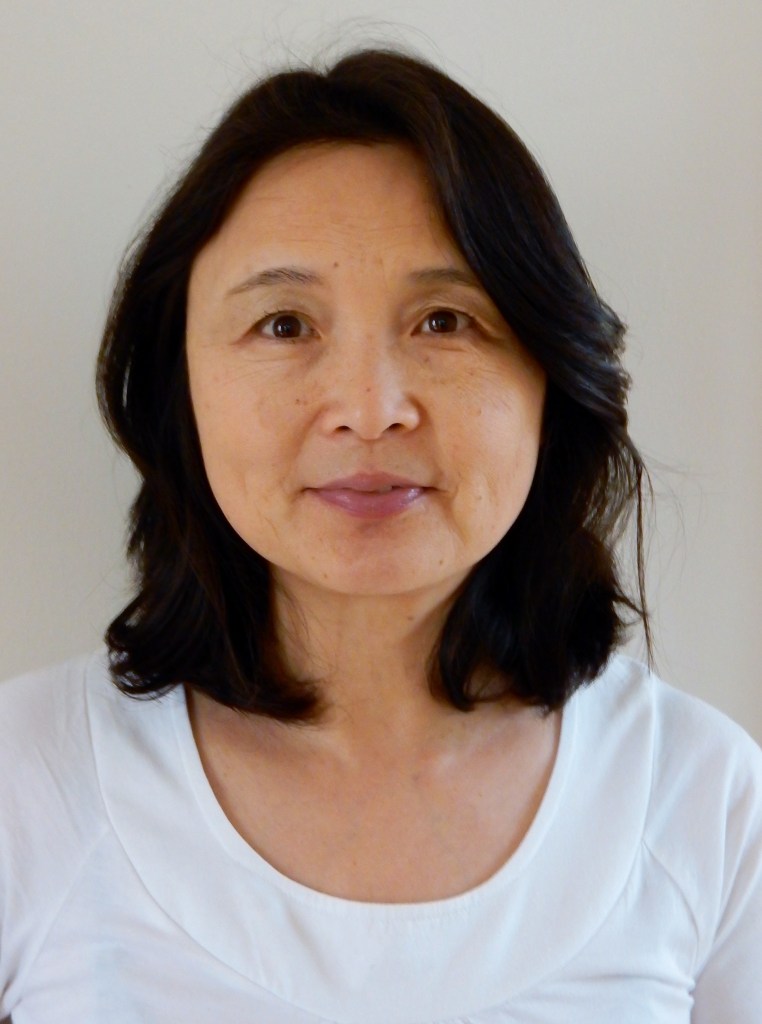
Ginny Q. Zhan
Treasurer
Professor of Psychology
Kennesaw State University
402 Bartow Ave. NW
Kennesaw, GA 30144
Research interests: Dr. Zhan’s research mainly focuses on comparative studies between East Asian and American college students on developmental topics, for example: mate preference and aging attitudes. She’s also interested in examining Asian American cultural identities.

Krista Robbins
Social Science Area Representative
Assistant Professor
Department of Psychology
Cornell College

Amanda Faherty
Psychology Area Representative
Assistant Professor
Department of Psychology
Ithaca College
afaherty@ithaca.edu
Research interests: (Coming Soon)
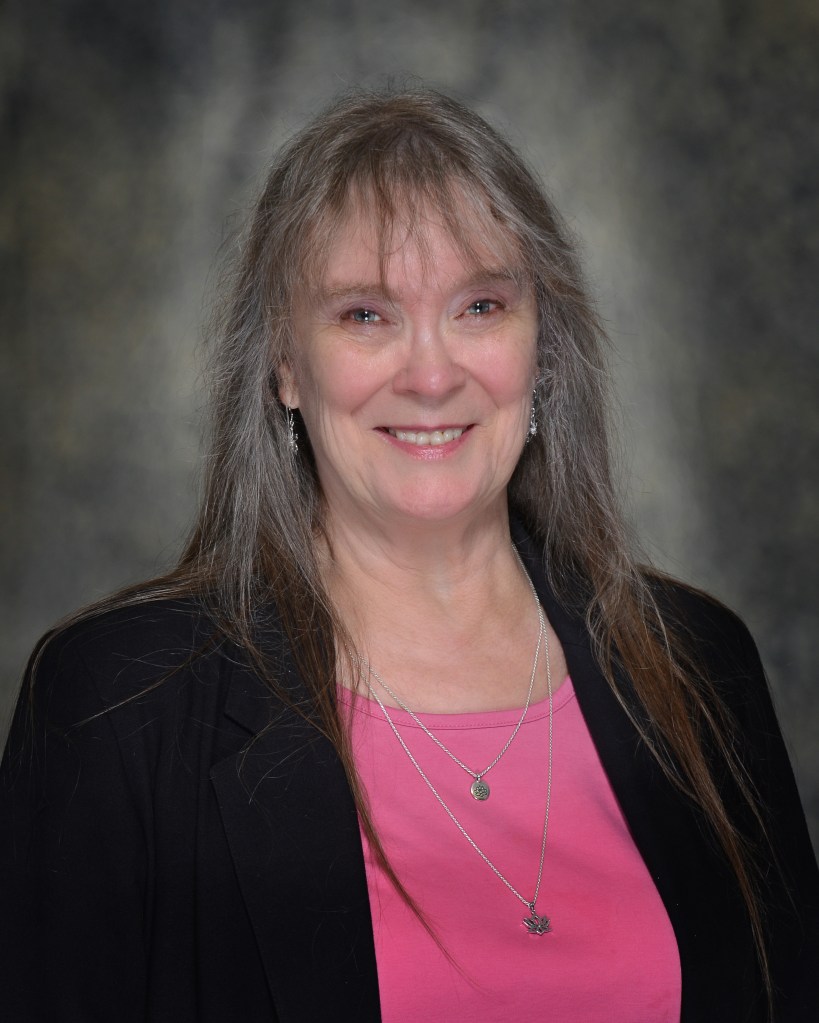
Janice Hartgrove-Freile
Secretary
Professor
Lone Star College
Janice.Hartgrove-Freile@lonestar.edu

Alyssa Crittenden
Parliamentarian and Archivist
Associate Professor
Department of Anthropology
University of Nevada, Las Vegas
4505 S. Maryland Parkway
Las Vegas, NV 89154-5003
(702) 895-3709
alyssa.crittenden@unlv.edu
Website
Research interests: Analyses of attributes of personal names; cultural variation; territorial loss, ownership, and natural resources; sympathetic and intellectual empathic choices; rational and emotional choices

Benjamin Campbell
Anthropology Area Representative
Associate Professor
Department of Anthropology
University of Wisconsin – Milwaukee
Honoring Our Past Presidents
A tribute to the visionary leaders who have shaped SCCR over the decades, listed by era
1970s
Beatrice Whiting
Herbert Barry III
John Roberts
William Lambert
Barbara Ayres
Fred Strodtbeck
Albert Pepitone
John Whiting
1980s
Marshall Segall
Melvin Ember
Leigh Minturn
Ronald Rohner
Paul Rosenblatt
Carol Ember
Joel Aronoff
Marc Ross
Alice Schlegel
Roy Malpass
1990s
R. Lee Munroe
Harry Triandis
Ralph Bolton
B. James Starr
Patricia Draper
Douglas Davis
Lew Hendrix
Susan Abbott
Uwe Gielen
Garry Chick
2000s
Harry Gardiner
William Divale
Judith Gibbons
Douglas Raybeck
Lewis Aptekar
Robert Veneziano
Juris Draguns
Douglas Caulkins
David W. Shwalb
William Divale
2010s
Ziarat Hossain
Deborah L. Best
William Jankowiak
Valerie Havill
Paul Ngo
Hemalatha Ganapathy-Coleman
Bonnie Hewlett
Jill Brown
Alyssa Crittenden
Brien Ashdown
Ted Bartholomew
Daniel Benyshek
 Society for Cross-Cultural Research
You must be logged in to post a comment.